InTASC Standard #3: Learning Environments
This standard emphasizes the importance of creating inclusive, supportive, and structured environments where all students feel safe, valued, and able to learn. A well-designed learning environment addresses academic, emotional, and social needs while encouraging collaboration, independence, and mutual respect.
For this standard, I am highlighting the following three artifacts:
Morning Meeting Routine, Classroom Behavior Expectations Anchor Chart, and Flexible Seating Options.
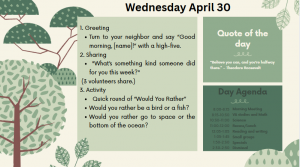
Morning Meeting Routine
During student teaching, I led daily morning meetings to build classroom community and support students emotionally. Each morning included a greeting, time for students to share, a short social-emotional mini-lesson, and a collaborative message. These meetings helped create a consistent structure and welcoming atmosphere that encouraged student participation and connection.
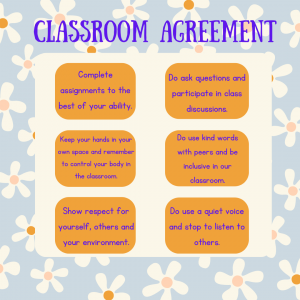
Classroom Behavior Expectations Agreement
Early in the placement, my students and I co-created a classroom anchor chart for behavior expectations. Together, we discussed what respect, responsibility, and kindness look like in different classroom situations. This collaborative process encouraged student ownership of behavior and promoted a positive and predictable environment for learning.
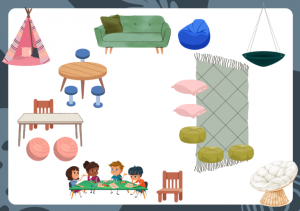
Flexible Seating Options
To support different learning needs, I introduced flexible seating choices such as floor cushions, standing desks, and quiet work corners. Students had the freedom to select workspaces that helped them focus or feel comfortable, especially during independent work time. This approach respected student differences and encouraged self-regulation and responsibility.