InTASC #4: Content Knowledge
InTASC Standard #4 emphasizes the importance of having a deep understanding of the content we teach and the ability to present that knowledge in a clear, engaging, and accessible way. As educators, it is essential that we not only possess subject matter expertise but also communicate it effectively to our students, ensuring they grasp complex concepts and see their relevance in the world around them. This standard is important because it lays the foundation for student learning, critical thinking, and problem-solving. The artifacts included on this page—my “We All Live Downstream” presentation, my Natural vs. Cultivated Forests slides, and my personal connection to Lake Anna—demonstrate how I’ve applied my content knowledge to engage students and help them connect with the material in meaningful ways.
Artifact 1: “We All Live Downstream” Presentation
This presentation was created as part of my science instruction on watersheds and human impact on the environment. The concept of “We All Live Downstream” helped students understand how pollution and conservation efforts in one area can affect communities and ecosystems downstream. I designed the slides using age-appropriate visuals, real-life examples, and guiding questions to make the content accessible and relevant to elementary learners. This artifact reflects my ability to take complex environmental topics and break them down in ways that promote student understanding and engagement.
The full presentation can be viewed here.
Artifact 2: Natural vs. Cultivated Forests – Introductory Slides
This short presentation was used to introduce students to the concept of natural vs. cultivated forests. It included a “Notice and Wonder” chart to activate prior knowledge and spark curiosity, followed by a slide that clearly explained the key characteristics of each forest type. By starting with student observations and then providing accurate, focused content, I supported deeper understanding of environmental science in a developmentally appropriate way. This artifact demonstrates how I use content knowledge to guide students from curiosity to clarity.
The full presentation can be viewed here.
Artifact 3: Using Personal Connection to Reinforce Content
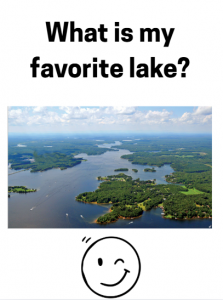
While teaching about Virginia’s natural resources, I introduced Lake Anna as an example of a man-made lake. I told students it was my favorite lake—because it shares my name! This fun and personal detail made the content more engaging and memorable. Students were quick to recall Lake Anna later in the unit, showing how a simple, authentic connection helped reinforce their understanding of both the lake’s name and its classification. This artifact highlights how I use my content knowledge in creative, student-friendly ways.