InTASC Standard #10: Leadership and Collaboration
This standard highlights how important it is for teachers to work with others—students, families, colleagues, and the wider community, to support student growth and strengthen learning experiences. Leadership in the classroom can look like guiding students through routines and expectations, while collaboration might involve co-planning with colleagues or connecting with the community. During my student teaching, I got to see the impact of this firsthand. For example, we had a visit from a Jamestown guest speaker who shared tools and stories from early Virginia settlers, which brought our natural resources unit to life and deepened student understanding. I also participated in Read Across America Week, where community members, including parents and a visitor from the local school district, read to our class, helping students build connections between what they read and the world around them. Finally, I worked closely with my mentor teacher to co-plan lessons, reflect on what worked, and adjust instruction based on our students’ needs. These experiences showed me how collaboration and leadership make teaching more impactful and meaningful for everyone involved.
Artifact #1: Jamestown Visitor Presentation
As part of our unit on Virginia’s natural resources, our class welcomed a guest speaker from Jamestown. He spoke with students about the natural resources and historical tools used by early settlers, connecting our science and history content in an engaging, hands-on way. This experience brought the lesson to life and showed how collaborating with community members can deepen student understanding.
Artifact #2: Community Engagement during Read Across America Week
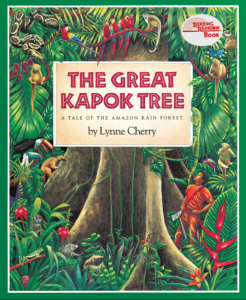
During Read Across America Week, we invited several community members, including parents and a visitor from the local school district, to read to the class. This provided an opportunity to connect students with members of their community, reinforcing the importance of shared learning experiences. As part of this week, we also read The Great Kapok Tree, a story about conservation and the importance of natural resources, which tied into our ongoing lessons about the environment. This activity allowed students to make real-world connections to the importance of protecting our natural resources, while also fostering relationships between the classroom and the community.
Artifact #3: Co-Planning with Mentor Teacher
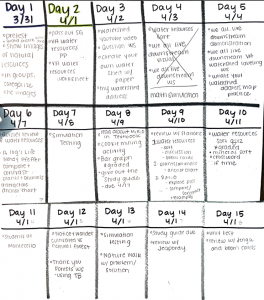
Throughout student teaching, I regularly collaborated with my mentor teacher to co-plan lessons, adjust pacing, and reflect on instructional strategies. Whether we were preparing a hands-on science activity or organizing differentiated reading groups, these planning sessions helped me understand how important it is to share ideas and work as a team. This ongoing collaboration directly improved the quality and clarity of instruction in our classroom.