InTASC #6: Assessment
Standard #6 is all about how teachers check in on what students are learning. It’s not just about giving tests—it’s about finding different ways to see how students are doing, giving feedback, and helping them grow. Good assessments help teachers figure out what’s working, what’s not, and what to do next.
If we don’t know how our students are doing, we can’t really help them learn. Assessments give us that information. They also help students see what they understand and where they might need a little more support. It’s how we make sure everyone’s moving forward—not just guessing.
Artifact #1: Pre- and Post-Test from My Natural Resources Unit
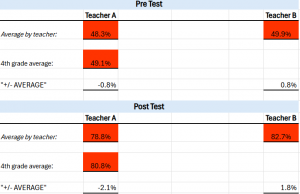
For my two-week unit on Virginia’s natural resources, I gave students a pre-test on the first day and a post-test at the end. The pre-test helped me see what students already knew and what I needed to focus on. The post-test showed how much they learned. It was a clear way to track their progress, and it helped me reflect on how well I taught the content. They showed significant growth between the two tests.
Artifact #2: Quizlet On Water Resources
For my second artifact, I included a Quizlet I created to review water resources with my students. I used it as a formative assessment to check their understanding of key terms and concepts like watershed, reservoir, and conservation. Students completed the Quizlet individually on their devices, and I monitored their progress to see which terms they struggled with. This helped me decide what to review more in class before moving on. It was also a fun, low-pressure way for students to study and reinforce their learning.
Artifact #3: Daily Exit Tickets and Discussions
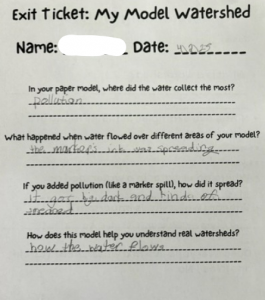
Throughout the unit, I used short exit tickets and group discussions to check for understanding. These quick checks helped me adjust the next day’s lessons and made sure students weren’t falling behind. It also gave them a chance to show what they knew in different ways—not just on standardized tests.